Designing for Belonging
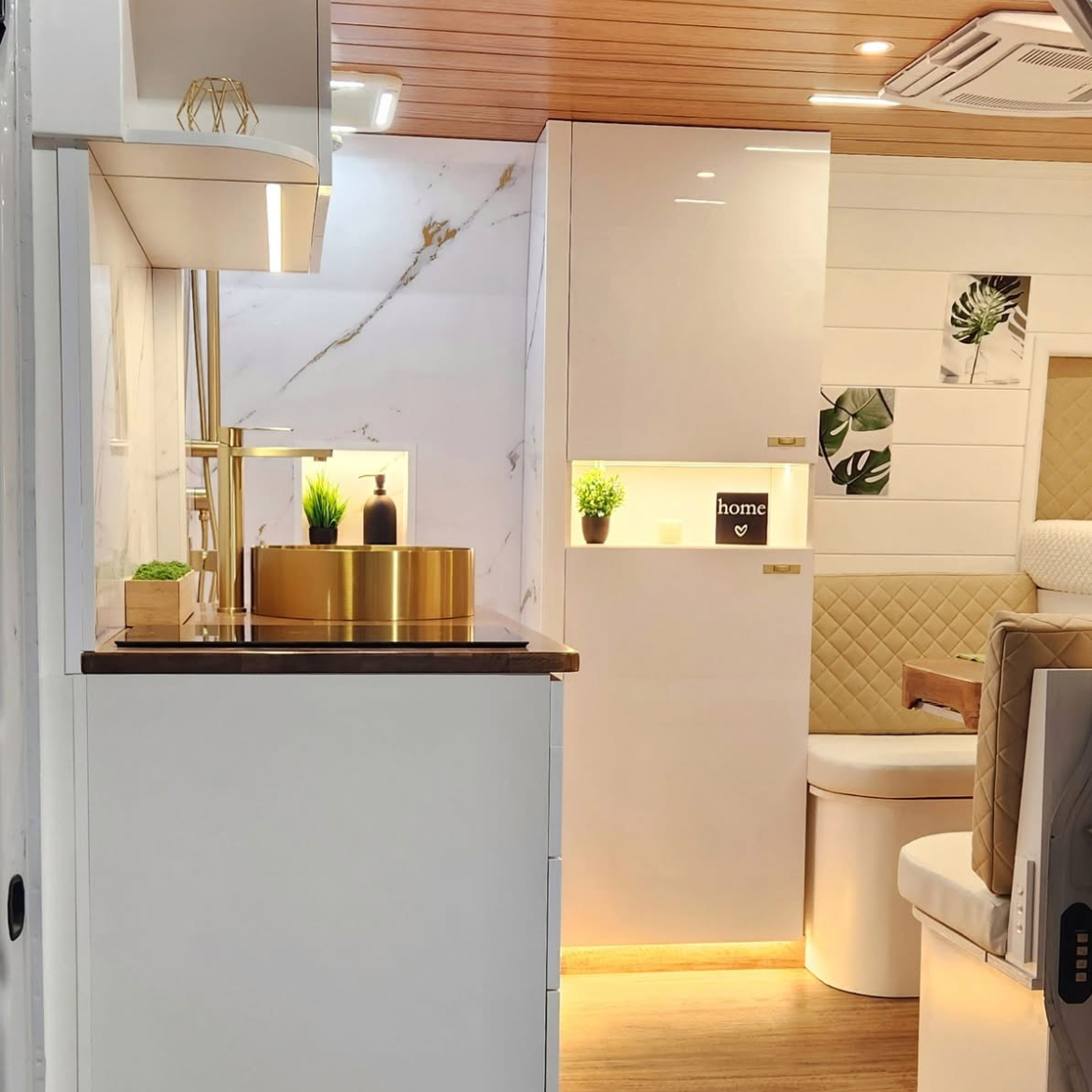
Thoughtful design can do so much to create belonging within our communities.
Whether we are designing a school, a home, or even a van, we can create a sense of safety, connection, and calm through the intentional integration of six elements.
(Photo credit: VVan Campervans, Australia)
Where do you feel a sense of belonging?
It seems like a simple question with an easy answer, but it’s more complex than we think. Let’s unpack “belonging” for a moment.
Belonging is the emotional connection and sense of acceptance individuals experience within a group, community, or organization. It encompasses feeling valued, respected, and understood for one's unique identity, background, and contributions.
It’s also a sense of place. A sense of being rooted and “at home” – a place of safety, connection, and calm.
Back in Seattle for now, I was reflecting on the sense of place, of home, I experience when I’m in Australia and in Brandy. Crazy that a van can evoke that sense of belonging. What makes it feel so good? Why does it feel homey? I believe the answer lies, at least partially, in good design (Shout out to VVans, down in Australia, for our interior van design!).
I am a total architecture and design geek. I absolutely love designing schools (and working with brilliant architectural firms like Bassetti Architects who completely understands the power and potential of designing extraordinary schools and spaces). I believe in creating beautiful spaces for children (and their teachers!) and that the physical environment matters more than we realize. Simply put - our physical environment impacts how we feel, work, and learn.
When we think of how we create a sense of safety, connection, and calm for our community, let’s not overlook the power of thoughtful design. Take a moment and consider where you feel most at home and most comfortable. What elements are in place? What colors, textures, and sounds are present? In Brandy, our van, color plays a huge role. As you can imagine, the interior space is small. Lots of white, reflective surfaces, and good lighting, contrasted with warm woods, help it feel cohesive and calming.
We do this sort of design work all the time for our living rooms, bedrooms, and corporate offices. Let's do the same for our schools. When focused on how physical spaces can support belonging and a sense of social, emotional, and psychological safety (at home, in school, or in your van), keep these elements in mind:
Color: There is so much research regarding the impact of color on our moods, ability to concentrate, and even our appetites. If you are wanting to create a sense of connection and calm, stick with calming whites, greys, blues, greens. Want more color? Just like in your home, use pillows, area rugs, and other objects to bring in vibrancy. Personally, I can't stand primary colors, even in early learning and elementary schools. Whoever decided children should be surrounded by bright reds, yellows, and greens has never spent 8 hours with a five-year-old or a middle schooler. Instead, stick with colors that evoke a sense of calm. And when you go big - choosing color pallets for an entire school or campus - do what you would do at home. Keep spaces connected. Use a limited color palette and choose different combinations of those color.
Texture: We underestimate the impact of texture. Apply the same colors over different textures and the effect and impact will be completely different. Look for ways to apply textures to walls - and then let students touch them and run their fingers across them. Familiarity is often embedded in our tactile sense.
Scale: I love tall ceilings, even in schools, and if can do it and afford it, go for it! But don’t forget to scale it down in appropriate places. Have you even been in a grand space or someone’s home and you just don’t feel able to settle? Most likely, it’s the scale. Bring the ceiling lower or paint it darker in transition areas, small entry ways, nooks, and even classrooms.
Flow: Especially in large rooms or an entire campus, give thought to how someone will walk through the spaces. Is there a natural flow? What elements create a sense of connection among the spaces? Often, color and texture serve as these connective elements, but the pathways we walk (through hallways, between floors, or among buildings) are often overlooked as “third spaces” that can help us feel grounded.
The outdoor environment: Whether in the Pacific Northwest or Australia, honoring the relationship between our physical spaces and the outdoors is essential. Allow nature to inspire our color pallet and textural elements. We often overlook the power of windows as art. Why clutter our walls with prints and pictures when we can frame a grove of trees, a mountain view, a small garden, or even a view into another classroom or space?
Less is more: Okay, this is sort of a hot button for me, and it’s not just because van life requires a pretty dialed in approach. While I am not a minimalist, I do believe we tend to over-crowd our offices, schools and homes with so much stuff. Our clutter is understandable: over time our piles and knickknacks become part of the background, the wallpaper. We literally stop noticing. But that’s the opposite of what we want. We want students and colleagues to notice their surroundings. To observe what’s new and beautiful. So, be a curator of your space. Take a step back, remove those piles, papers, boxes, and trinkets, then intentionally add back in what matters and is necessary. The result is a calmer, more grounded experience for everyone.
I am passionate about design and how good design and the physical environment help support belonging and connection in or schools, work places, homes, and yes - even our campervans.
I’m curious! What resonates with you? What elements have you woven into your school or work? What helps you feel at home?